Ronda
Tourist and rural appeal of the city of the Tajo and its mountains.
Key points
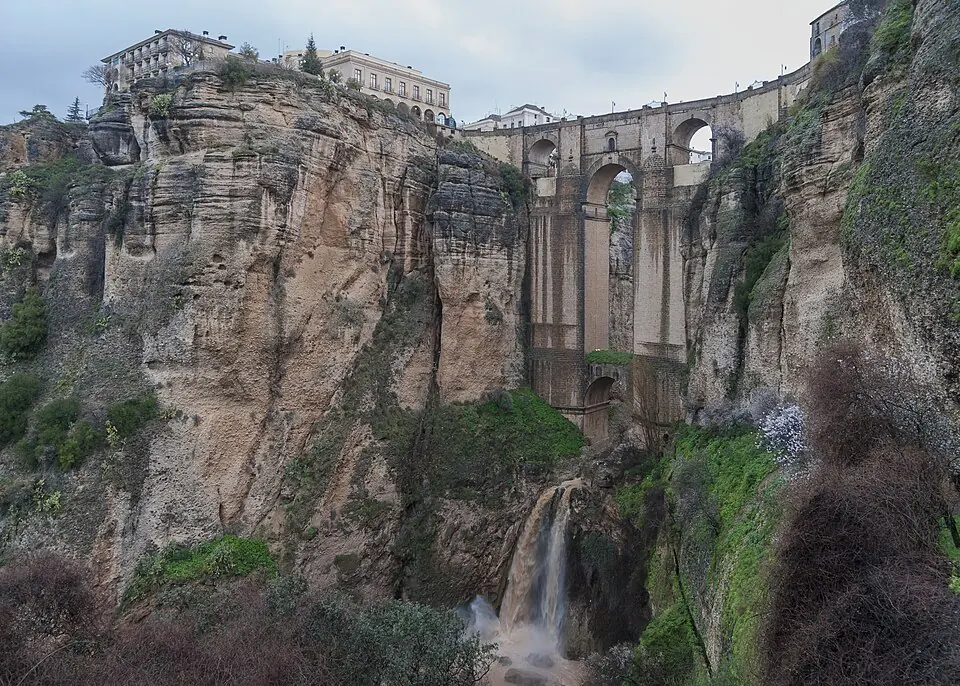
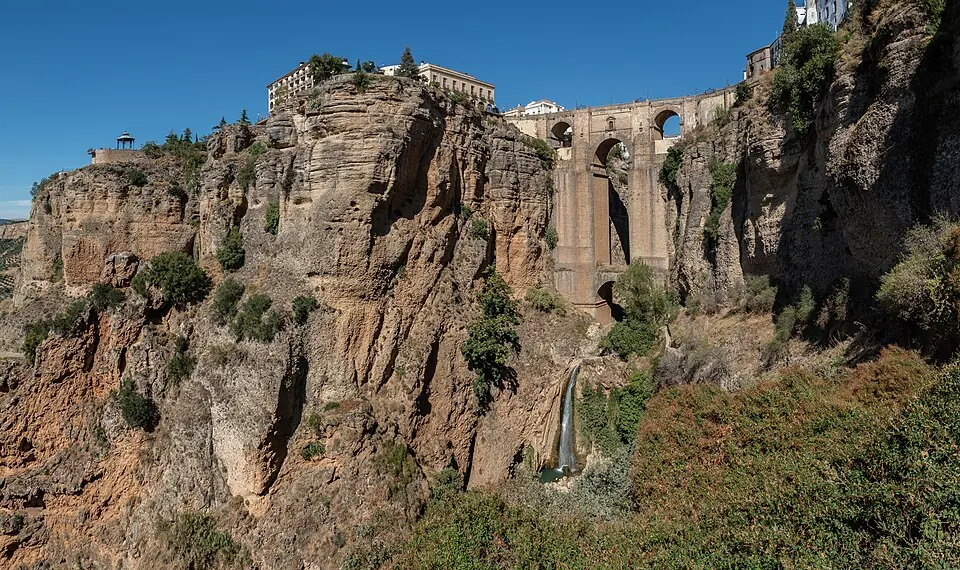
- Ronda is split in two by El Tajo, a gorge almost 100 metres deep spanned by the Puente Nuevo.
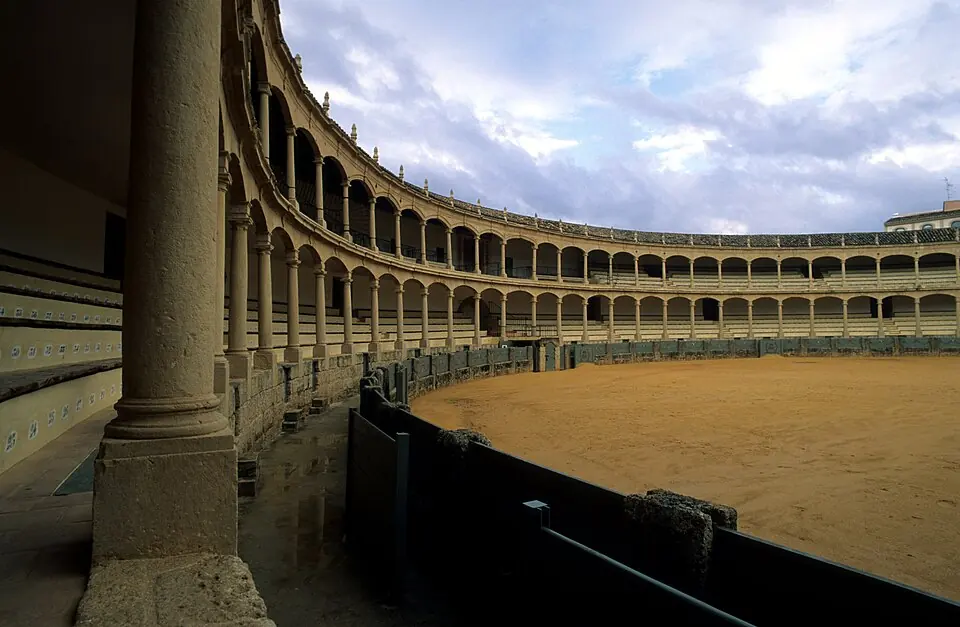
- It has one of the oldest bullrings in Spain and very well preserved Arab baths.
- The Serranía de Ronda hides the Genal valley, wineries and white villages.
- It is about 100 km from Málaga and 50 km from Marbella by mountain road.
What to see in Ronda
Few towns have such a powerful image. The Puente Nuevo was completed in 1793 after more than forty years of work and joins La Ciudad, the medieval core, with the Mercadillo quarter. To see it whole, walk down the Camino de los Molinos or look out from the Cuenca Gardens.
- Real Maestranza bullringOpened in 1785, with a bullfighting museum; cradle of bullfighting on foot.
- Arab bathsAmong the best preserved in the peninsula, from the 13th and 14th centuries.
- Casa del Rey MoroGardens and a mine with steps carved inside the rock down to the river.
- Mondragón PalaceMudéjar courtyards and the town museum.
- Old and Roman bridgesThe other two bridges over the Guadalevín.
- Alameda del TajoRonda's balcony over the mountains, so loved by Hemingway.
Wines of the Serranía
Around Ronda some twenty wineries produce dry reds and whites under the Sierras de Málaga designation (Serranía de Ronda sub-zone). Many offer tours and tastings.
The Serranía de Ronda and the Genal valley
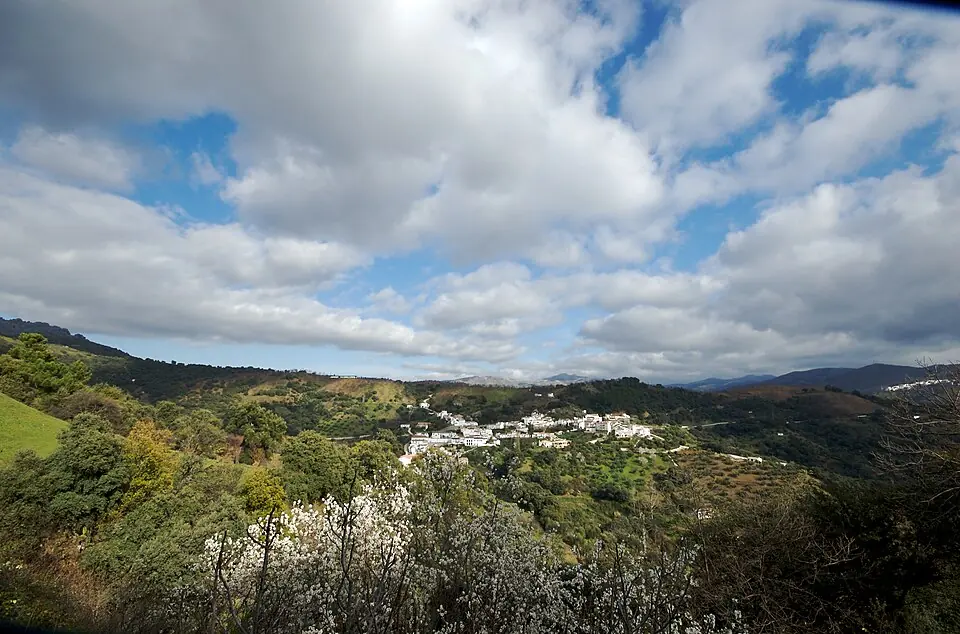
South-west of Ronda, the Genal valley gathers some fifteen white villages among chestnut woods. In autumn, when the leaves turn gold, the landscape is known as the Copper Forest.
- JúzcarThe "blue village": its houses were painted blue in 2011 for a film premiere and stayed that way.
- GenalguacilA museum-village with contemporary artworks scattered through its streets.
- Cueva de la PiletaIn Benaoján, with Palaeolithic cave paintings; guided visits with limited numbers.
- Acinipo"Old Ronda", a Roman town with a theatre on a plateau.
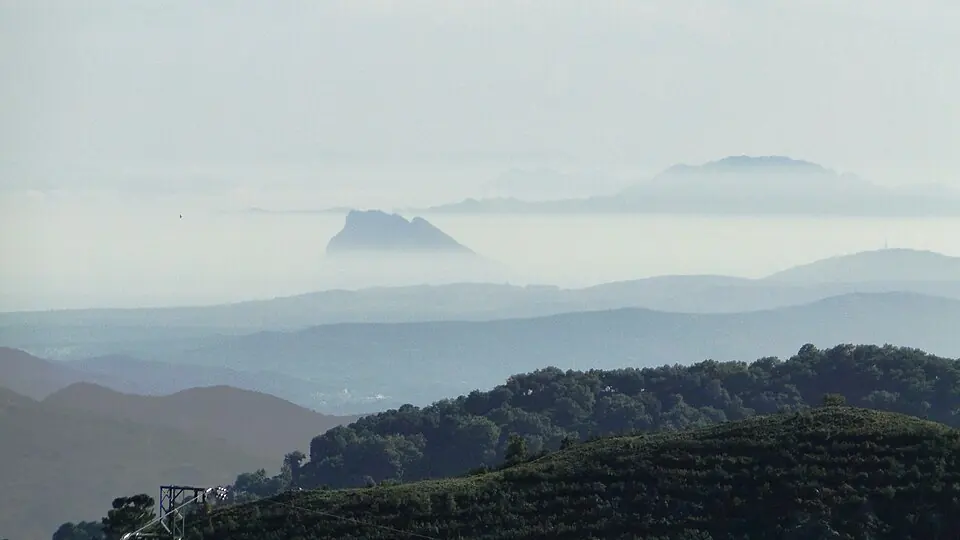
- GaucínA natural viewpoint towards Gibraltar and Africa on clear days.
Festivals
In early September Ronda celebrates the Pedro Romero Fair, with the famous Goyesca bullfight at the Real Maestranza. In autumn the Genal villages hold their chestnut tostón. More dates in the festival calendar.